Marlene Bennett, Program Director

Marlene Bennett worked as a legal aid attorney in Santa Clara County for 12 years, representing people living with HIV and AIDS, consumers of mental health services, people experiencing homelessness and others impacted by chronic illness and poverty. Her areas of expertise include public benefits, the American health insurance system and the Affordable Care Act. As Program Director, Ms. Bennett coordinates the Unhoused Initiative’s activities, outreach, and engagement, both on and off-campus. She also teaches health law courses in the College of Arts & Sciences and the law school. She received her B.S. from SCU in 2004 and her J.D. from Santa Clara Law in 2008.
David DeCosse, Director, Religious and Catholic Ethics and Campus Ethics Programs
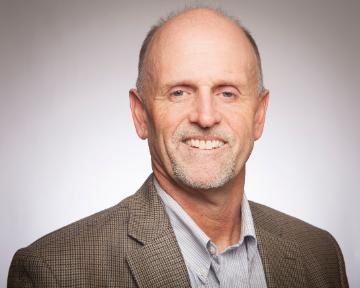
David DeCosse is Director of Religious and Catholic Ethics and Campus Ethics Programs at the Markkula Center for Applied Ethics and Adjunct Associate Professor of Religious Studies at Santa Clara University. He graduated from Harvard College and the doctoral program in theological ethics at Boston College.
As Director of Campus Ethics Programs, he has worked to put on a wide variety of public events at Santa Clara University; worked extensively with undergraduate student fellows on projects in applied ethics; managed the Ethics Center’s research grant program; and worked more broadly on campus on topics ranging from academic integrity to ethics in student government to the hookup culture to engineering ethics to environmental ethics and more. Recently, he organized a major conference at Santa Clara University on Laudato Si, the encyclical on the environment by Pope Francis.
His published works can be found here.
Sonja Mackenzie, Associate Professor
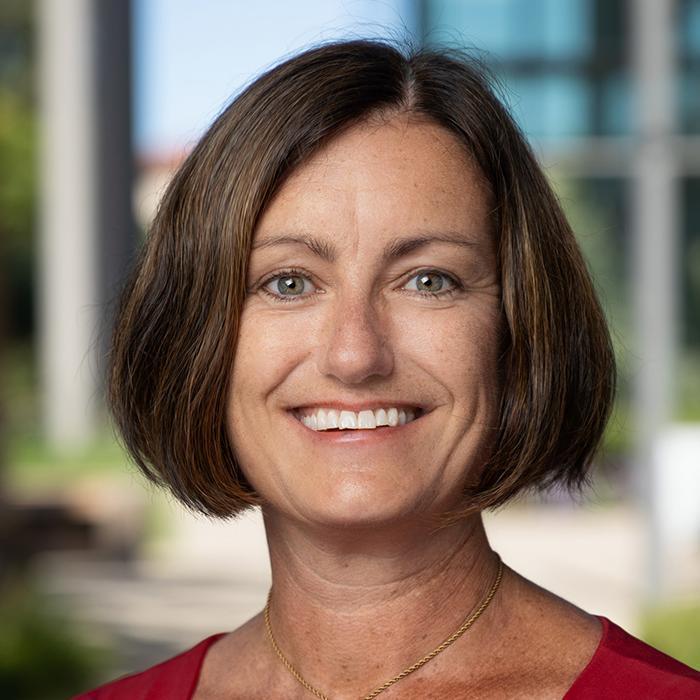
In 2021, Sonja Mackenzie conducted sabbatical research as Affiliate Faculty with the Reproductive Sociology Research Group (ReproSoc) and Department of Sociology at Cambridge University. Her scholarship lies at the intersections of public health and sociological inquiry to analyze and intervene in social and structural inequities in health among racial/ethnic and sexual and gender minorities.
Her current projects include analyses of patterns in transnational reproductive technologies and LGBTQ kinship, and health social movements from HIV to Covid-19. Her research portfolio includes a five-year K01 award on HIV prevention among black men who have sex with men and women funded by the National Institutes of Mental Health (NIMH). Her book, Structural Intimacies: Sexual Stories in the Black AIDS Epidemic was published in 2013 by Rutgers University Press as part of their Critical Issues in Health and Medicine Series.
Her published works can be found here.
Michelle Oberman, Katherine and George Alexander Professor of Law

Professor Oberman is an internationally recognized scholar on a wide range of legal and ethical issues arising at the intersection of sex, pregnancy, motherhood and criminal law. For the past decade, she has studied the impact of abortion regulation in countries with widely divergent abortion laws. Her work in El Salvador, along with other countries and a range of US jurisdictions, informs her 2018 book, Her Body, Our Laws: On the Frontlines of the Abortion War from El Salvador to Oklahoma. Her current work focuses on what changes on the ground when U.S. abortion law changes on the books.
Her published works can be found here.
Philip Boo Riley, Associate Professor
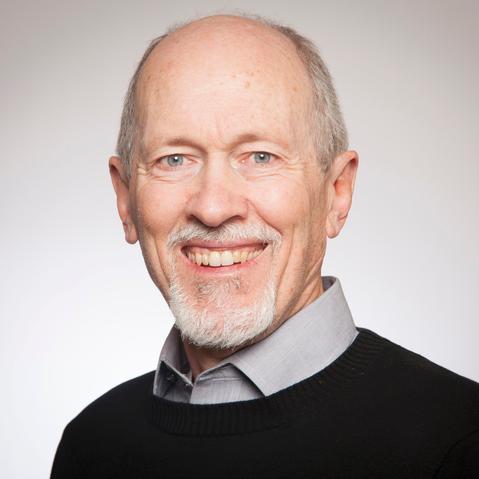
Philip Boo Riley graduated from Regis College in Denver, Colorado with a degree in Inter-disciplinary Studies in 1973. He then moved to Canada for graduate work in religious studies at McMaster University where he obtained his M.A. in 1975 and his Ph.D., 1980. His work on Jesuit philosopher and theologian Bernard Lonergan informed his initial courses in Catholic Theology and philosophy of religion as well as his scholarship, including two edited volumes from a 1984 international conference hosted by SCU’s Lonergan Research Center with Timothy Fallon. Recently his teaching and research interests shifted to ways in which local faith communities and organizations engage dynamics—e.g. globalization, diversity, immigration, civic identity and life, social inequality—that define the Silicon Valley region.
His published works can be found here.
Ariana Gebauer, Senior Clinical Supervising Attorney at NCIP and Adjunct Professor
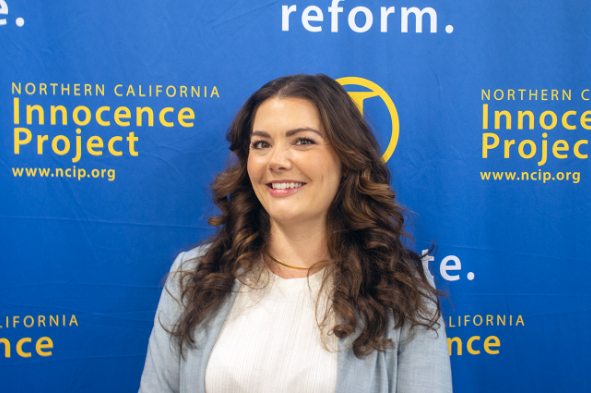
Ariana Gebauer is a Senior Clinical Supervising Attorney at NCIP and adjunct professor at Santa Clara University School of Law. She is also an alum, having graduated from Santa Clara School of Law in 2013. She has spent the bulk of her practice at the office of the Public Defender in both Southern California and in Massachusetts. Ariana has extensive litigation experience and has spent more time in court than out of it over the last ten years. Ariana has tried cases from the lowest level misdemeanors up to being on multiple homicide trial teams. She has also done rotations in collaborative courts and specialized in mental health. Ariana now investigates and litigates claims of innocence, teaches skills to students, and supervises student case work.
Anna Yang, Life Sciences Librarian

Anna Yang is the Life Sciences Librarian at Santa Clara University. Born and raised in the Central Valley, Anna received her BA in History at California State University Fresno and her MLIS from San Jose State University. For the past 10 years, Anna has worked in different libraries (viticulture and enology, pharmacy, medical, and academic) to support the needs of students, faculty, and researchers. In her current role, she provides instruction to the Critical Thinking and Writing courses as well as her subject specific areas – Anthropology, Biology, Chemistry, Environmental Science, and Public Health. Her interest lies in instruction, assessment, gamification, generative AI, and problem-based learning. She is committed to making information easily accessible to everyone in hopes that it will empower individuals to make informed decisions and take meaningful actions. You can learn more about Anna’s published works here.
Anne McMahon, Director of Operations and Special Projects
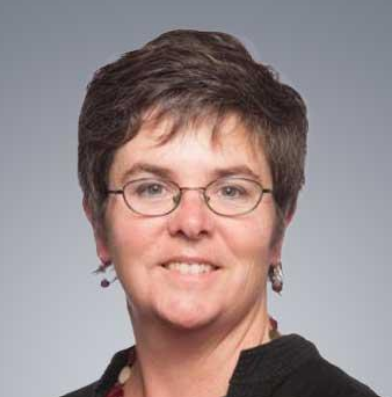
Anne McMahon serves as Director of Operations and Special Projects for the Office of the President. She manages a diverse portfolio of responsibilities and focuses on: project management of select initiatives, events and projects; administrative and operational support for the University’s Board of Trustees in their governance role for the University; operational efficiency for the Office of the President; and strategic communication support for the President and Chief of Staff. As a primary point of contact for the office, she collaborates broadly with a variety of University departments and constituents to ensure operational aspects of the Office of the President are effective, efficient, and timely in support of the President and Chief of Staff. Anne has been active with local organizations advocating for unhoused members of the community, including through Neighborhood Hands, SURJ Santa Clara County, the City of Santa Clara, and St. Clare Parish.
Keziah Poole, Lecturer
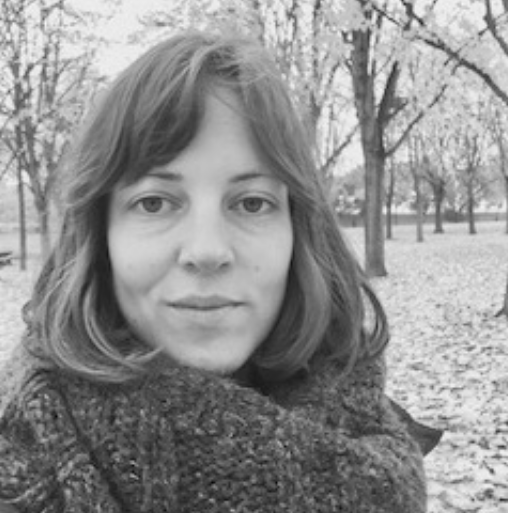
Keziah Poole is a Lecturer in SCU’s Department of Modern Languages and Literatures. She received her doctorate in Comparative Literature from the University of Southern California, where her research focused on queer and feminist resistance in North African literature and film. Keziah is also Founder and Director of The Readers’ Circle, a national prison writing program that pairs incarcerated authors with campus-based Volunteer Editors. The program supports creative and intellectual exchange across diverse communities, with an emphasis on narrative justice and educational equity.Her work has been published in Francosphères, Expressions maghrébines, and the edited volume Higher Education and the Carceral State: Transforming Together (Routledge, 2024).
Deborah Moss-West, Executive Director, Katharine & George Alexander Community Law Center, Lecturer
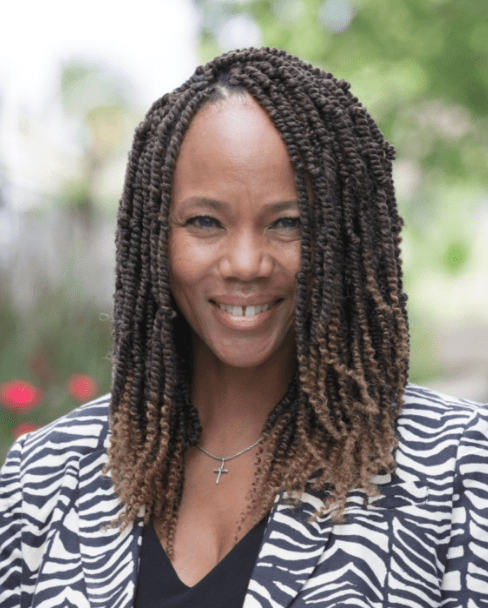
Deborah Moss-West is Executive Director at the Katharine & George Alexander Community Law Center. Ms. Moss-West is also a lecturer for the Law School and Undergraduate University teaching public interest and social justice law courses. Ms. Moss-West previously served as Director of the Center for Social Justice and Public Service at Santa Clara Law, Deputy Director at the East Bay Community Law Center, and held various positions at Allstate Insurance Company and AT&T in the areas of Human Resources, Civil Litigation, and Contracting. Ms. Moss-West has a passion for bringing resources to underserved communities. She’s spent significant time working with small businesses, and organizing legal education forums and other events. Ms. Moss-West is also a Professional Certified Coach through the Leadership that Works Coaching for Transformation program. Ms. Moss-West’s one-on-one and group coaching provides the space and tools for people to identify their value, explore opportunities, and connect to their power – for transformation of self and community.
Ms. Moss-West also sits on the Board of Directors of the Charles Houston Bar Association as Legal Services Chair.
Long Le, Associate Teaching Professor, Director, International Business Minor
Long Le is an Associate Teaching Professor in Management and the Director of the International Business Minor at the Leavey School of Business. His primary teaching area is global business with interests in design thinking, global citizenship, social entrepreneurship, and spiritual leadership. His research interests include microfinance, Jesuit business education, global Asian migration diasporas, the political economy of development in frontier markets, and state-owned enterprises in Asia. His research has been published in journals such as Journal of Management, Religion & Spirituality, Far Eastern Economic Review, Journal of Islamic Finance, Journal of Social Issues in Southeast Asia, Education About Asia, Harvard Asia Quarterly, Harvard Asian American Policy Review, and Global Asia: A Journal of the East Foundation. He is also a practitioner of microfinance in which he and his students founded Zero Interest Microfinance Bank — providing zero-interest lending and business education to small and medium-sized enterprises around the world. He has been recognized and awarded for leadership, service, and commitment to international education and service-learning.
Amy Wedel, Assistant Professor

Amy Wedel, Ph.D. is an assistant professor in the Counseling Psychology department. A Bay Area native originally, she received her bachelor’s with high honors in psychology from Oberlin College, after which she spent two years conducting research on tobacco and e-cigarette use at the TSET Health Promotion Center in Oklahoma City, Oklahoma. She earned her doctorate in Clinical Psychology at Syracuse University and completed her clinical internship at the Medical University of South Carolina, with specialty training in substance use and tobacco use treatment.
Her research focuses on affective and social-contextual factors in young people’s substance use, as well as mechanisms underlying disparities in substance use and related consequences. She is most passionate about understanding how we can improve and leverage social connections to improve addiction recovery outcomes.
Affiliated Faculty
Jamie Chang, Associate Professor, UC Berkeley
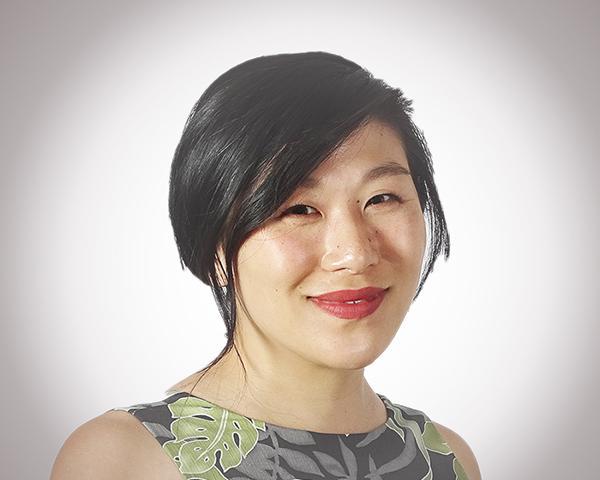
Jamie Chang was born and raised in San Francisco and Daly City and has been involved in Bay Area health issues much of her life. She completed her Ph.D. from U.C. San Francisco in Medical Sociology, where her research focused on the relationship between environments and drug/alcohol use. She has researched and evaluated substance use treatment programs in hospitals, clinics, and in the community, focusing on the experience of people who receive substance use treatment within the healthcare “safety net”.
She has worked on substance use research projects involving patient-provider interactions, homeless and formerly homeless people, women, veterans, methadone maintenance, Asian and Pacific Islanders, and people who inject drugs. Recently, much of her research has focused on the opioid dilemma, documenting the diverse experience of pain patients and providers as they navigate the changing landscape of pain management. In addition to these substantive topics, she has also published theories and methods (the docent method) that contribute to our approaches to public health issues.
 The Unhoused Initiative at SCU